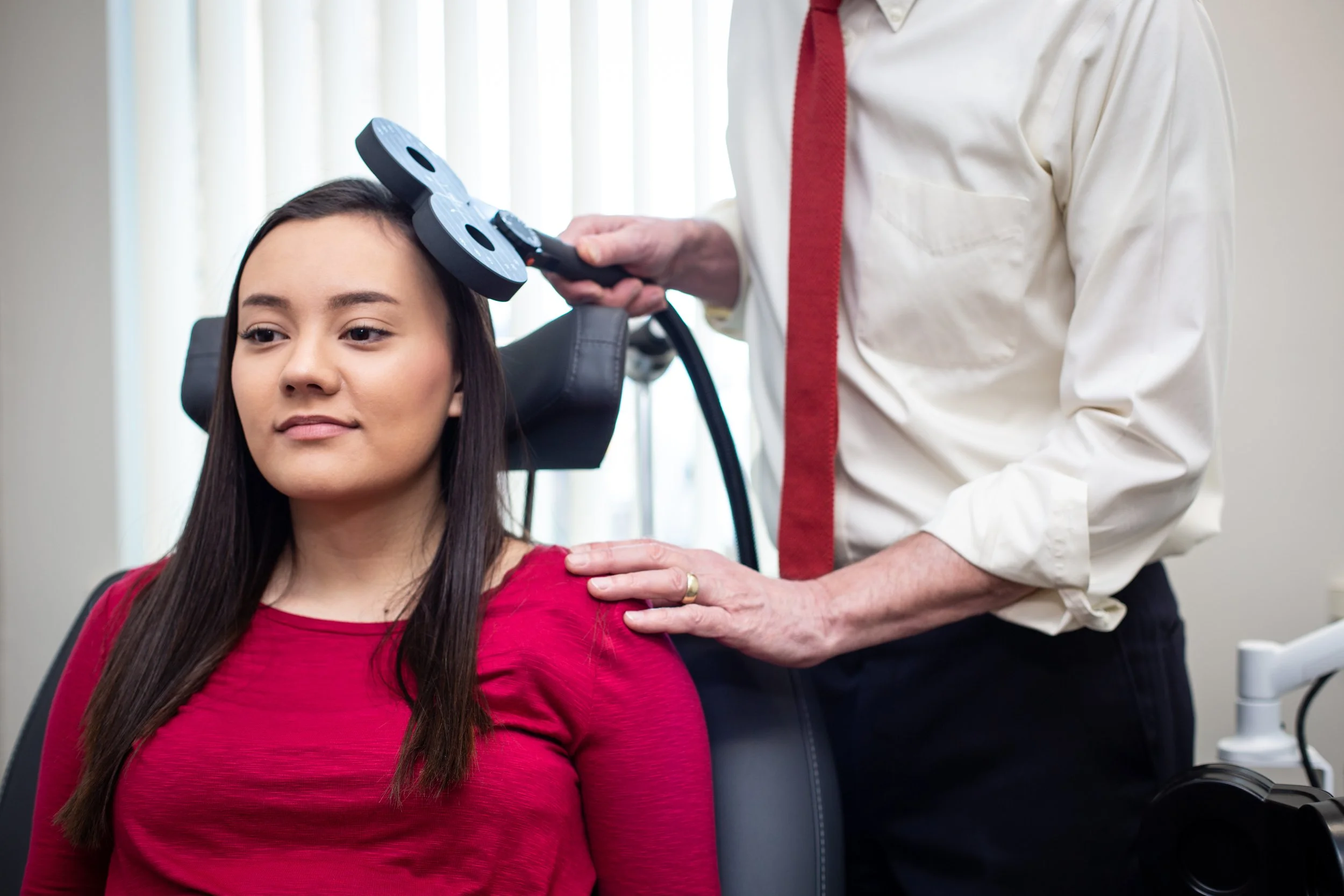
TMS That Targets Your Brain, Not a Textbook Diagram
Precision targeting. Intensity calibrated to your physiology. A full treatment course in as few as two days.
What is TMS
TMS uses magnetic pulses to stimulate specific areas of the brain. It is FDA-cleared for treatment-resistant depression.
Over 100 clinical trials have studied it since the early 2000s.
The results depend on two things: where the pulses land, and how strong they are.
Both of those vary from person to person.
How We Target Treatment
Every brain is shaped differently.
The frontal lobe — where TMS is aimed — has more variation between individuals than any other part of the brain.
We use a method developed by Dr. Shan Siddiqi at Harvard that identifies your treatment target from functional brain imaging data.
Instead of measuring your skull to estimate where to aim, we calculate the cortical location most connected to the mood-regulating circuit in your brain.
Then we calibrate intensity.
You wear a pulse oximeter during treatment.
When the magnetic pulse reaches your brain's frontal-vagal circuit, your heart rate briefly dips.
That cardiac signal tells us we've reached the right depth — without pushing intensity higher than it needs to go.
This method is called NeuroCardioGuided TMS.
It was developed by Dr. Martijn Arns and published in peer-reviewed research.
Treatment intensities typically land below 100% of motor threshold.
Patients report that treatment is comfortable.
If You’ve Tried TMS Before
Some patients come to us after TMS at another clinic didn't work — or hurt too much to finish.
Most TMS clinics use a standard protocol: same brain target, same intensity, for every patient.
Intensity is typically set at 120% of motor threshold.
At that level, scalp discomfort is common.
We do it differently.
Our targeting is based on your brain's functional connectivity, not an anatomical estimate.
Our intensity is guided by your cardiac response, not a fixed percentage.
If your previous TMS used a different approach, a different result is possible.
Our Treatment Options
Insurance Protocol
36 sessions over approximately 7 weeks.
Same precision targeting and cardiac-guided intensity as all our protocols.
Covered by most private insurance plans.
Self-pay: Extended Dosing
Same targeting. Longer session time.
9-minute iTBS delivers three times the pulses of the standard 3-minute insurance protocol.
Insurance protocols follow payer-standardized dosing rules. Self-pay removes those limits.
$3,500 for a full treatment course.
Self-pay: Accelerated 2-Day Protocol
20 sessions delivered over two days.
Based on the published ONE-D protocol developed at the University of Toronto.
Two pre-treatment medications enhance your brain's ability to rewire during stimulation.
Published data shows response rates above 90% and remission above 70%.
You complete treatment in a weekend.
Both insurance and self-pay protocols use identical precision targeting.
The difference is dosing duration — determined by payer policy, not clinical judgment.
Our Results
Depression response rate to Live Well TMS: approximately 90%.
This is a rolling average across our last 20 patients.
Why Patients Choose Live Well TMS
| Live Well TMS | Standard TMS Clinics | |
|---|---|---|
| Targeting | fMRI-based, individualized | Anatomical estimate |
| Intensity Calibration | Cardiac-guided (NCG) | Fixed % of motor threshold |
| Treatment Intensity | Below 100% MT | Typically 120% MT |
| Comfort | Patients report minimal discomfort | Scalp pain is common |
| Self-Pay Cost | $3,500 | ~$10,000 |
| Accelerated Option | 2-day protocol available | Not available |
| Outcome Data | Practice data reported | Manufacturer statistics cited |
Take our 2-minute screening quiz.
Want to know if you qualify for TMS? Fill out the following information and we will call you to set up an evaluation.
Seven questions. No login required. Results are immediate.
What to Expect
Insurance and cost
TMS is covered by most private insurance for treatment-resistant depression.
'Treatment-resistant' typically means two or more antidepressants have not worked adequately.
Insurance protocol: 30 sessions on weekdays over 6 weeks. Your cost is your plan's specialist copay or coinsurance.
Self-pay
$3,500 for a full treatment course.
This is possible because we own our equipment. Clinics that lease their machines cannot offer this price.
We verify your insurance before your first appointment.
If there is a coverage issue, we tell you before you walk in the door.
Initial consultation: 60-minute structured diagnostic evaluation.
Insurance is verified before your first visit.
If you qualify for TMS, we schedule treatment to start within days, not weeks.
Each session: 3 to 9 minutes of active treatment, depending on your protocol.
You sit in a chair. No sedation. No recovery time.
Most patients drive themselves to and from appointments.
What Our Patients Say:
Schedule a consultation or take the screening quiz.
Take the 90-second screener, or schedule your intake.
Live Well Psychiatry · Treasure Valley, Idaho
Frequently Asked TMS Questions
-
Transcranial Magnetic Stimulation (TMS) is a non-invasive, FDA-approved treatment for adults with Major Depressive Disorder who haven’t responded to traditional therapies like medication or talk therapy. It works by using magnetic pulses to stimulate specific areas of the brain involved in mood regulation. Treatments are brief, require no sedation, and patients can return to normal activities immediately afterward.
-
Before starting treatment, we identify your motor threshold—the lowest stimulation level needed to activate your motor cortex. We then use a magnetic coil to deliver targeted pulses to the dorsolateral prefrontal cortex (DLPFC), an area involved in mood regulation, using a method called neuro-cardio targeting to enhance accuracy, consistency, and clinical outcomes.
-
Our clinic has an 90% success rate, defined by at least a 50% improvement in symptoms from pre to post treatment. Many of our patients go on to achieve full remission, with final depression scores of 5 or less by the end of treatment. We monitor your progress using standardized depression rating scales throughout the course of treatment. Nationally, TMS has a 70% success rate.
These results are possible because we focus on precision and personalization through the use of advanced targeting methods and research-informed protocols, which allow us to deliver individualized care beyond the limitations of one-size-fits-all approaches.
-
TMS is safe and well tolerated for most people, but it may not be appropriate if you have:
Metallic implants in or near the head (excluding dental work)
A history of seizures or epilepsy
Certain neurological or medical conditions
We carefully screen every patient before starting treatment to ensure safety. If you’re a good candidate, we’ll guide you through the treatment plan that fits your needs best.
-
At Live Well Psychiatry, we offer two distinct treatment options depending on your diagnosis and treatment goals:
Insurance-Covered TMS
TMS is FDA-approved for the treatment of Major Depressive Disorder (MDD) in adults who have not found relief from traditional treatments like medication or talk therapy. If you meet criteria based on your history and insurance plan requirements, we may be able to provide treatment that is covered under your mental health benefits. Our team will help guide you through the pre-authorization and eligibility process to determine if you qualify.Self-Pay TMS for Non-FDA or Non-Insured Conditions
For patients seeking support for other symptoms or conditions not currently covered by insurance, we offer self-pay off-label* treatment options based on research-supported protocols. These include:
Generalized anxiety
Obsessive-compulsive or neurotic tendencies
Chronic pain
While insurance does not cover these protocols, they are informed by current clinical research and are administered with care and attention to patient safety. These treatments provide more flexibility and individualized care for those looking for additional relief beyond traditional coverage.
*Off-label use refers to protocols not FDA-approved for specific conditions but supported by a substantial body of peer-reviewed research. These protocols are administered using FDA-approved equipment by technicians licensed through the Clinical TMS Society (NCTMSS) and trained in advanced, research-informed techniques.
-
You’ll sit in a comfortable, reclining chair while the doctor and/or a trained technician places the TMS coil to your scalp.
You’ll feel a tapping sensation and hear clicking during the session.
Sessions last 3–10 minutes and require no recovery time.
Side effects are typically mild and short-lived. The most common are:
Scalp tenderness or sensitivity
Temporary headache
Minor facial muscle twitching during treatment
You’ll be fully alert and able to resume normal activities—like driving, working, or errands—right after each session.
Our TMS Team
We know we mention this a lot—but it’s because we’re proud of it! Our team has been trained by internationally renowned TMS experts, and that kind of experience matters.
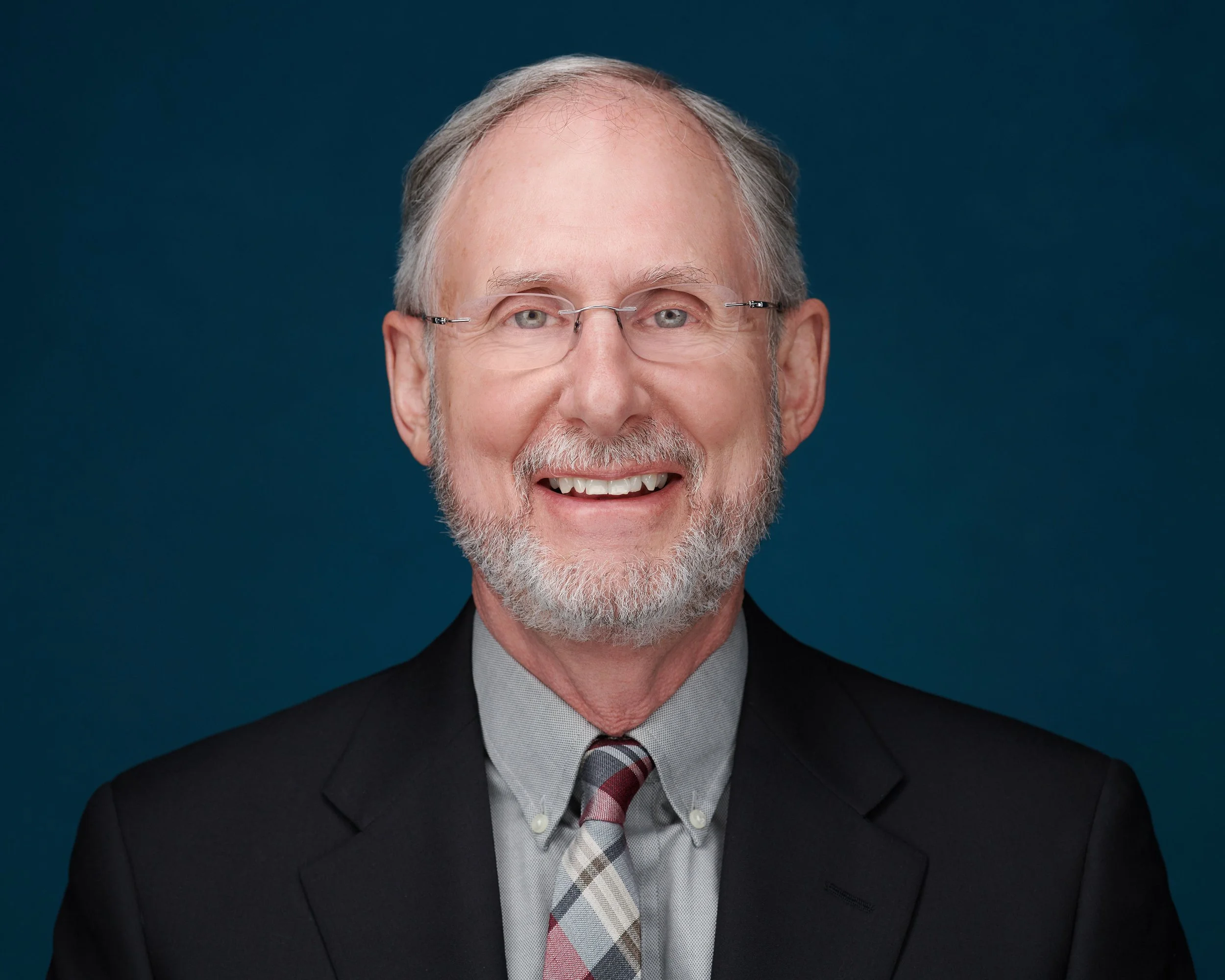
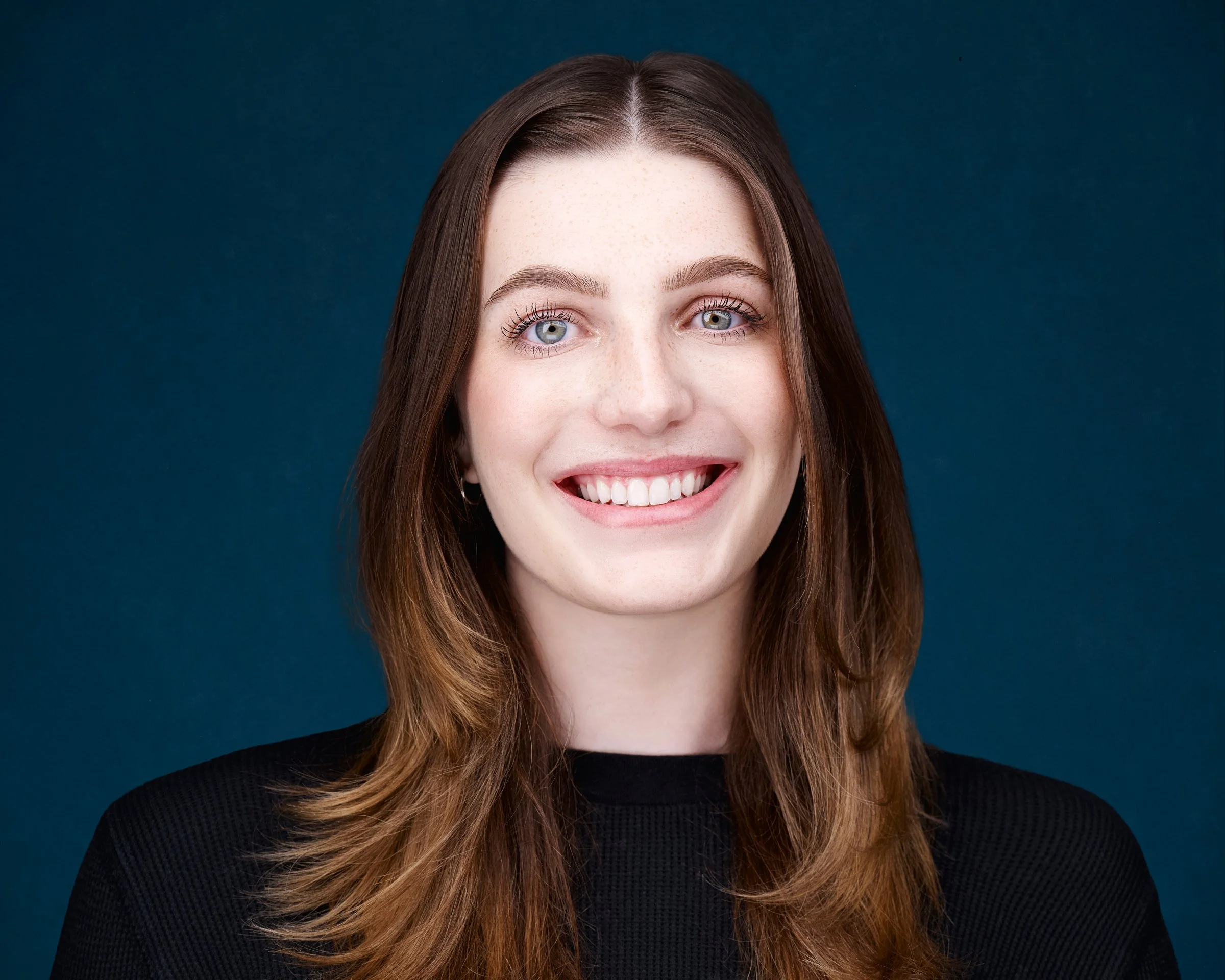
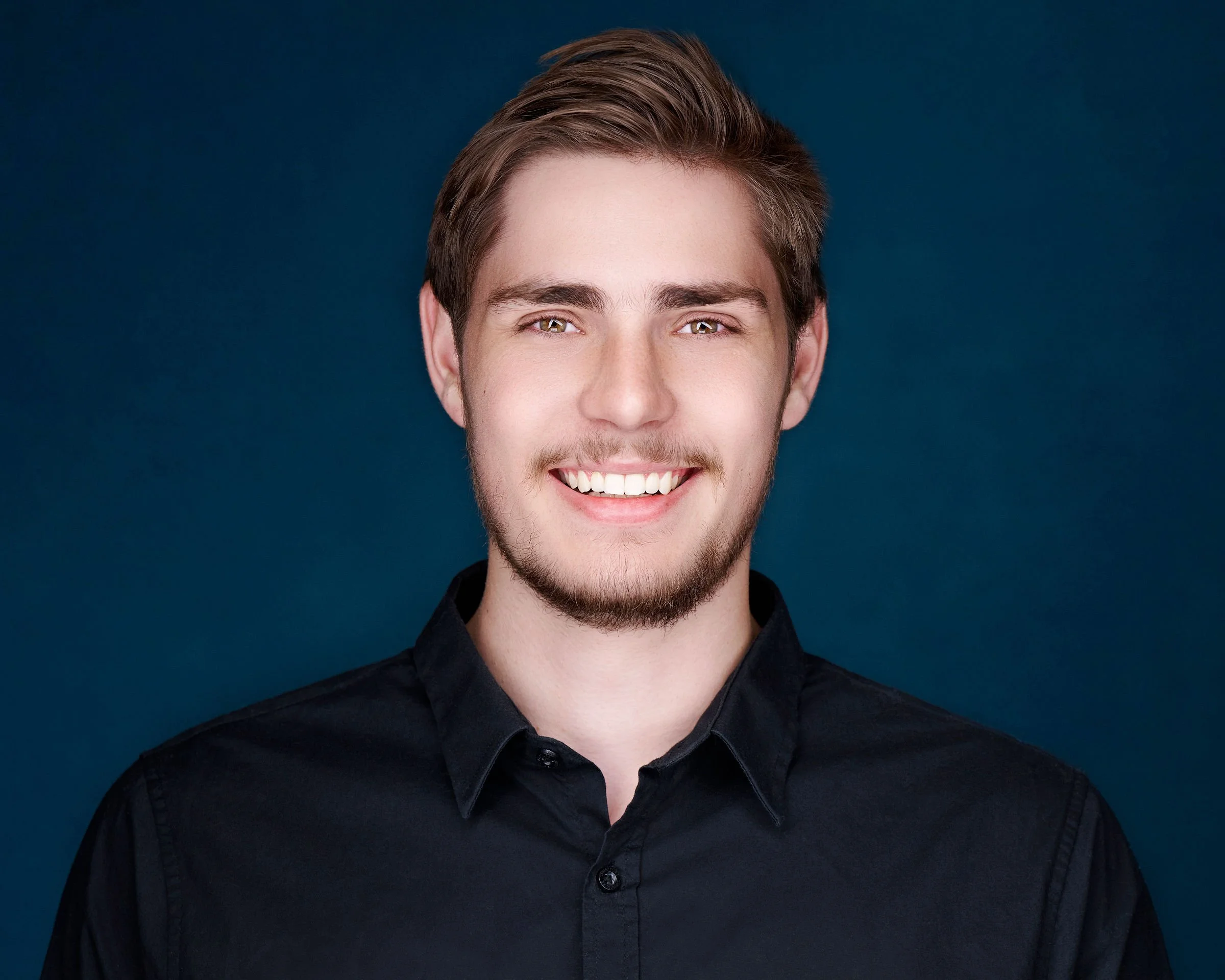
Whether you’re working with Dr. Hoopes, Meghan, or Kyle, you can feel confident knowing you're in great hands. They bring expertise, care, and a genuine passion for helping people feel better—every step of the way.